
Early Support, Big Results: How Early Intervention Helps Toddlers Thrive
Helping Toddlers with Developmental Delays Reach Their Potential
Starting support early — usually before age 3 — gives children with developmental delays the best chance to grow communication skills, make friends, and become more independent. Research shows that children learn faster and build lasting skills when therapy begins during this critical early period. Learn where your child is at developmentally with a free screening.
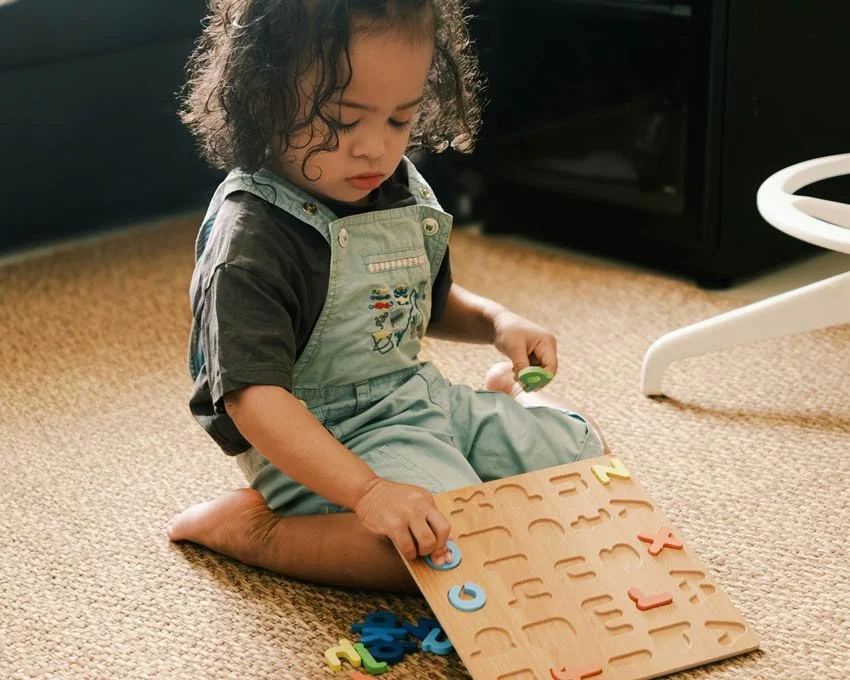
How Early Intervention Helps
1. Behavioral and Developmental Programs
We provide a variety of behavioral supports and programs, individualizing our recommendations based on the child’s unique needs. Studies show that toddlers who receive these programs often make bigger gains in thinking, talking, and daily skills compared to children who get standard care. Starting early helps children make progress that can last for years.
2. Speech and Occupational Therapy
Speech therapy helps children communicate with words, gestures, or other forms of expression. Occupational therapy helps with skills like dressing, feeding, or playing with toys. Both therapies support social interactions, confidence, and independence in daily life.
3. Brain Growth and Timing
The first few years of life are a time when the brain is very flexible. Skills learned early — like talking, socializing, and motor abilities — build on each other. The earlier children get support, the more likely these skills will stick.
Families Make the Difference
Parents and caregivers are key to success. Programs that train families to use therapy strategies at home — during meals, playtime, or bedtime — help children practice skills in real life. Families also learn to support communication, play, and independence every day.
Take the Next Step for Your Child’s Development
Early intervention can make a real difference in your child’s communication, social skills, and independence. Contact our team today to learn how personalized therapy and support can help your toddler thrive.
Practical Tips for Parents: Supporting Your Child at Home
1. Talk and Listen Often
Describe what your child is doing.
Name objects, feelings, and actions.
Ask questions and give time to respond.
2. Use Everyday Moments to Learn
Mealtime: let your child practice using utensils and asking for food.
Playtime: build sharing, taking turns, and problem-solving.
Routines: encourage dressing, brushing teeth, or tidying up.
3. Follow Your Child’s Interests
Use favorite toys, games, or books to teach new skills.
Children learn best when they are engaged and having fun.
4. Practice Social Skills
Invite a friend or family member for a short play session.
Encourage greetings, eye contact, and sharing toys.
5. Celebrate Small Wins
Praise efforts, not just results.
Keep track of progress; even tiny improvements matter.
6. Ask for Help and Support
Work with therapists to learn strategies you can use at home.
Reach out to support groups for ideas and encouragement.