
The Truth About Screen Time: What Every Parent of a 3–5 Year Old Should Know
Helping Wyoming families build strong routines for young children
Screens are part of everyday life. Phones, tablets, and TVs can be helpful tools - but too much screen time can affect a child’s sleep, mood, and learning. Many parents wonder how much screen time is okay and how to set good boundaries.
The good news: You don’t have to be perfect. Small, simple habits can help your child stay healthy and balanced.

Why Screen Habits Matter
Young children learn best through playing, talking, moving, and exploring. Too much screen time can get in the way of these important skills.
Screen time can affect:
Sleep – screens make it harder to fall asleep
Feelings – children may be more cranky after long screen sessions
Attention – fast shows can overwhelm young brains
Social skills – children need real conversations to learn empathy
Screens aren’t bad. They just need to be used with care.
How Much Screen Time Is Recommended?
Experts suggest:
No more than 1 hour per day of high-quality shows or apps
Watch together when possible, so you can talk about what your child sees
No screens during meals or before bedtime
A helpful question to ask is:
“Is screen time replacing something more important?”
… Such as sleep, play, or time outside?
Healthy Screen Habits That Really Work
1. Make Screen-Free Zones
Keep screens out of bedrooms and off the table at meals.
Children sleep and eat better with fewer distractions.
2. Watch With Your Child
Sit beside them and ask simple questions:
“Why do you think he felt sad?”
“What would you do in that situation?”
This helps children understand emotions and learn new words.
3. Pick Slow, Calm Shows
Good choices include:
Daniel Tiger’s Neighborhood, Bluey, Sesame Street, and PBS Kids apps.
Slower pacing helps children stay calm and focused.
4. Set a Routine
Pick regular times for screen use, like:
One show before dinner
A short educational app session after lunch
When children know the routine, they argue less.

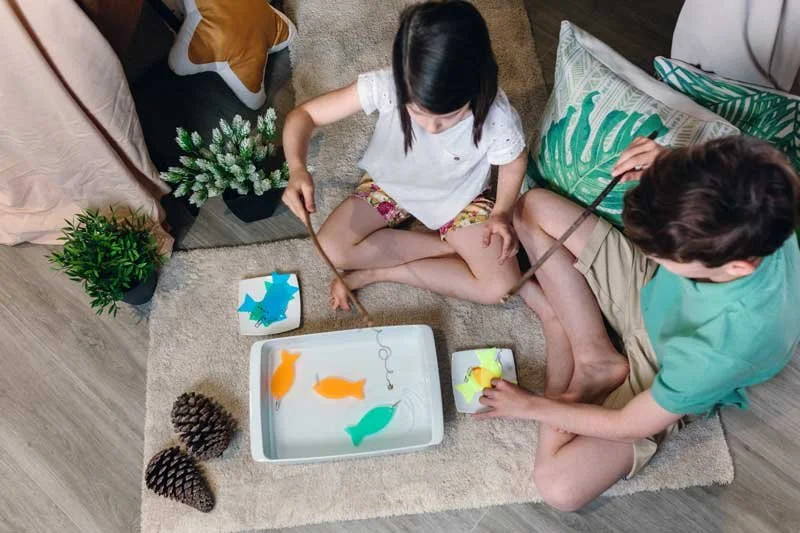
5. Offer Fun Alternatives
Many children use screens because they’re bored. Keep simple activities ready:
Play-Doh or kinetic sand
Stickers and crayons
A puzzle
A sensory bin with rice or beans
Books in a cozy corner
If activities are easy to reach, kids will use them.
When Screen Time Becomes Hard to Manage
If your child becomes very upset during transitions, has trouble sleeping, or seems overwhelmed, screen habits may need to be adjusted.
This is not a sign of bad parenting - it’s just something to notice.
If you’re worried about your child’s emotions, sleep, or behavior, Children’s Developmental Services offers free developmental screenings to help guide families.
How CDS Supports Families
CDS helps children learn and grow through:
Play-based learning
Emotional and behavioral support
Tools for parents
Help building healthy routines at home
Learn more here. If you want support or have questions about your child’s development, we’re here for you.
Call (307) 682-2392 or click here to learn more.
Final Thought
Children grow best with balance - play, rest, movement, and connection.
Healthy screen habits don’t have to be strict. Small changes can help your child sleep better, focus better, and feel calmer.
You’re doing a great job by paying attention to what your child needs.